No products in the cart.
Blog
Types of Cloned Cards
The Different Types of Cloned Cards: A Comprehensive Guide
Table of Contents
ToggleIntroduction: In today’s digital age, the use and abuse of credit cards have become rampant. One such abuse is the creation of cloned credit cards. These fake cards are designed to mimic legitimate ones and can cause severe financial damage to unsuspecting victims. In this comprehensive guide, we will delve into the various types of cloned cards and provide you with insights on how they work and what you can do to protect yourself from such fraudulent activities. Explore complete in depth guide to know everything about clone cards.
What are Cloned Credit Cards?
Cloned credit cards are fraudulent copies of legitimate credit or debit cards that have been manipulated to store the cardholder’s information and allow unauthorized use of the account. They can be used for various illegal activities, such as identity theft, online purchases, and in-person transactions. Cloned cards pose a significant threat to both individuals and businesses, as they often go undetected until significant financial damage has been done. Explore our in depth guide to know more about what cloned cards are and what they really mean.
Purpose and Uses of Cloned Cards:
The primary purpose of cloned credit cards is to defraud financial institutions and cardholders by allowing unauthorized access to their funds.
Some common uses for these cards include:
Purchasing goods or services online or in-person, Withdrawing cash from ATMs or bank accounts and Making international transactions
Examples of Cloned Cards in Action:
- Cloned credit cards can be created using various methods, including:
- Skimming devices attached to card readers at retail outlets or gas stations
- Hacking into online accounts to obtain card information
- Stealing physical credit cards from mailboxes or wallets
Looking to Buy Clone Cards? We offer fully loaded and activated cloned cads, shop now.
Types of Cloned Cards
Magnetic Strip Cloning:
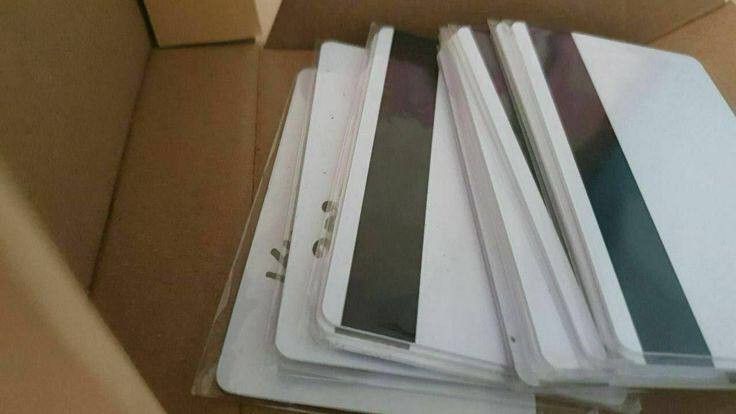
Magnetic strip cloning is one of the oldest and most common methods used to create counterfeit credit cards. It involves obtaining the cardholder’s magnetic stripe information by either skimming or stealing the physical card. The data is then encoded onto a blank plastic card or a “dummy” card with a magnetic strip.
How it Works:
- Skimmers attach a small device to the card reader, which records the card’s information when inserted
- Stolen cards can also be used to obtain the magnetic stripe information
Common Usage:
- Skimming devices are often found at gas stations or ATMs where card readers are accessible to the public
- Physical theft of credit cards from wallets, purses, or mailboxes
Security Risks and Prevention Measures:
- Magnetic stripe cloning is relatively easy to perform and poses a high risk for identity theft and financial fraud
- To prevent this type of fraud, cardholders should monitor their accounts regularly and report any suspicious activity immediately
- Financial institutions can implement advanced security measures, such as chip-and-PIN technology or EMV standards
Chip and PIN Cloning:
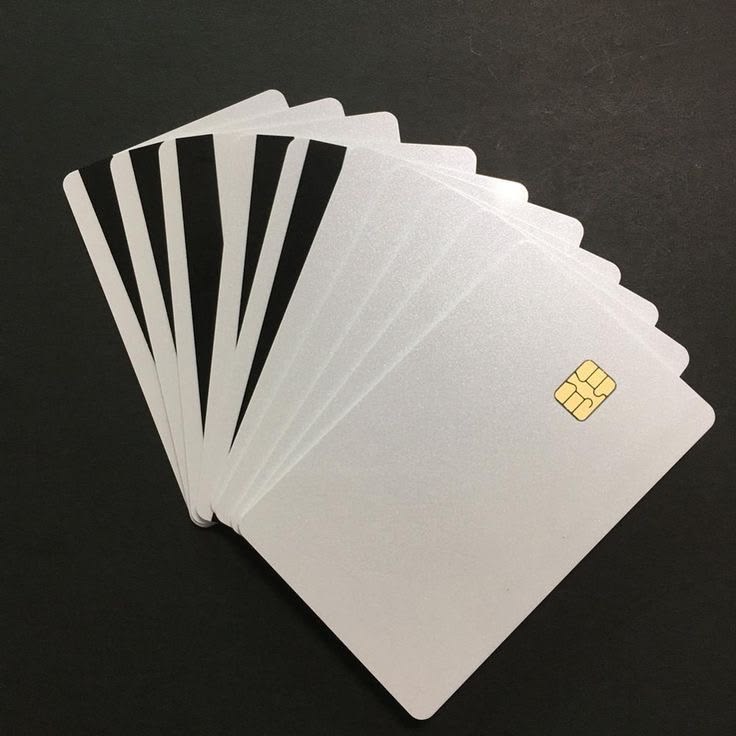
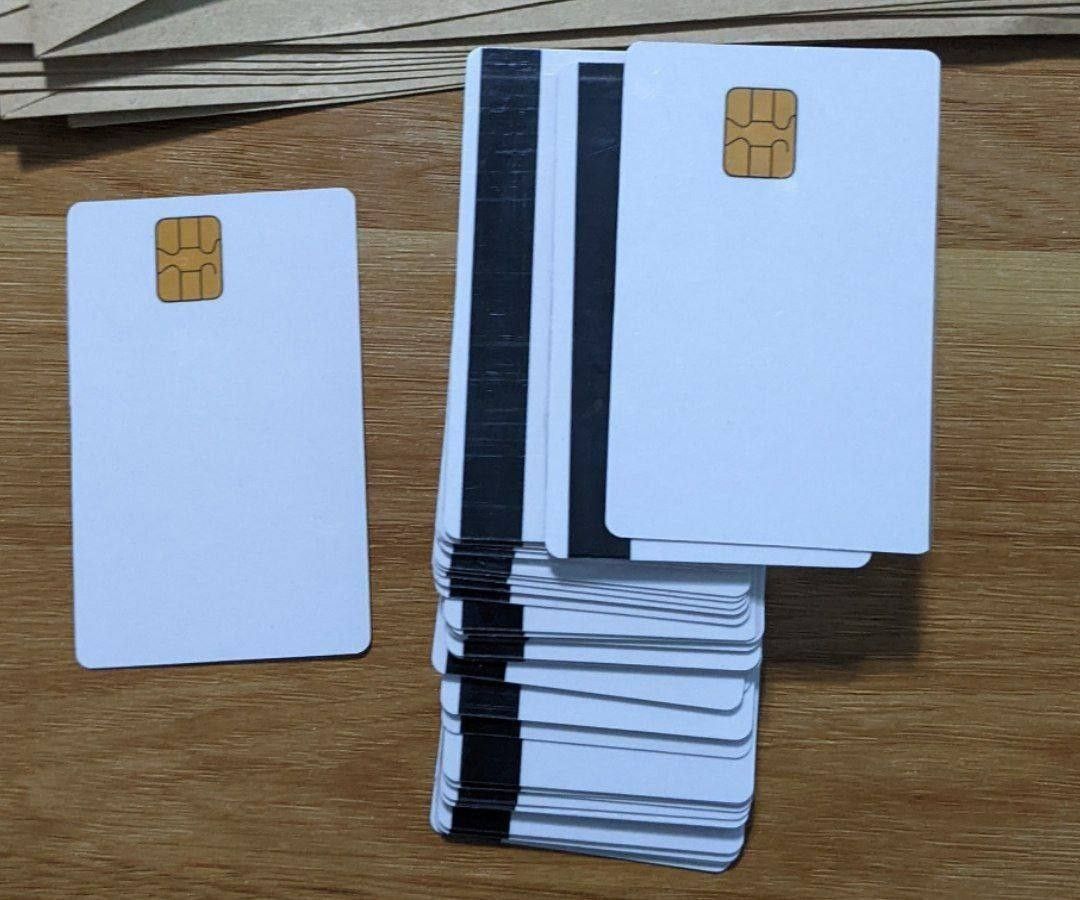
Chip and PIN cloning involves obtaining the cardholder’s information stored on the EMV chip embedded in their credit or debit card. This data is then encoded onto a blank plastic card with an embedded chip, allowing the user to make transactions with the fake card.
How it Works:
- Thieves use specialized devices called “card readers” or “chip cloners” to extract the card’s information from its chip
- Once the data is obtained, it can be programmed onto a blank card using a chip encoding tool or software
Common Usage:
- Skimming devices attached to card readers at retail outlets or gas stations
- Physical theft of credit cards from wallets, purses, or mailboxes
Security Risks and Prevention Measures:
- Chip and PIN cloning poses a significant risk for financial fraud and identity theft
- Financial institutions can implement advanced security measures, such as chip-and-PIN technology or EMV standards
Contactless Card Cloning:
Contactless card cloning is a relatively new form of credit card fraud that involves replicating the near-field communication (NFC) technology used in contactless payment cards. This allows the user to make transactions without the need for entering a PIN or signature.
How it Works:
- Thieves use specialized devices called “contactless card readers” or “NFC cloners” to extract the card’s information from its chip
- Once the data is obtained, it can be programmed onto a blank contactless payment card using a contactless encoding tool or software
Common Usage:
- Skimming devices attached to card readers at retail outlets or gas stations
- Physical theft of credit cards from wallets, purses, or mailboxes
Security Risks and Prevention Measures:
- Contactless card cloning poses a high risk for financial fraud and identity theft
- Financial institutions can implement advanced security measures, such as EMV standards or the use of multi-factor authentication
Online Account Cloning:
Online account cloning involves obtaining the cardholder’s personal information and using it to create a duplicate online account with their financial institution or other service providers. This allows thieves to access and transfer funds without the need for a physical credit card.
How it Works:
- Thieves obtain the cardholder’s personal information through various methods, such as phishing scams, malware attacks, or data breaches
- Once the information is obtained, they can use it to create a duplicate account with the financial institution or other service providers
Common Usage:
- Phishing emails and fake websites designed to steal personal information
- Malware attacks on computers and mobile devices
Security Risks and Prevention Measures:
- Online account cloning poses a significant risk for financial fraud and identity theft
- Cardholders should be vigilant about protecting their personal information online and use strong passwords with two-factor authentication
How do Cloned Credit Cards Work?
Skimming:
Skimming is a method used by thieves to extract the magnetic stripe or chip information from credit and debit cards. This data can then be used to create counterfeit cards or make online transactions without the need for a physical card. Explore our in depth guide to know how clone card truly works.
Description of Skimming Methods:
- Physical theft of credit cards from wallets, purses, or mailboxes
- Skimmers attach small devices to card readers at retail outlets or gas stations
How to Identify Skimming Devices:
- Examine the card reader for any signs of tampering or unusual hardware attached
- Check for suspicious activity on your credit card statements, such as unauthorized transactions or duplicate charges
Protection Tips Against Skimming:
- Always cover your PIN when entering it at an ATM or point-of-sale terminal
- Monitor your accounts regularly and report any suspicious activity immediately
- Use a credit card shield to protect your card information from skimming devices
Encoding Devices:
Encoding devices are used by thieves to clone the chip or magnetic stripe information stored on credit and debit cards. These devices can be purchased online or through various underground marketplaces.
Types of Encoding Devices:
- Card readers that extract data from the card’s magnetic stripe or chip
- Chip encoding tools used to program cloned information onto a blank card
Acquiring and Using an Encoding Device:
- Thieves can purchase encoding devices online or through various underground marketplaces
- These devices are relatively easy to use, requiring only basic technical knowledge to extract and clone the card’s information
Hacking Online Accounts:
Online account hacking involves using various methods to obtain the cardholder’s personal information stored on their financial institution or other service providers. This data can then be used to create a duplicate online account with the financial institution or other service providers.
Common Ways Hackers Target Online Accounts:
- Phishing emails and fake websites designed to steal personal information
- Malware attacks on computers and mobile devices
- Social engineering tactics, such as pretexting or vishing calls
Tips to Protect Your Online Account Information:
- Use strong passwords with two-factor authentication for all online accounts
- Be cautious when clicking on links in emails or browsing websites, particularly those that request personal information
- Install antivirus software and keep your devices up to date with the latest security patches
The Risks and Consequences of Using a Cloned Card
Identity Theft:
Identity theft is the unauthorized use of another person’s personal information, such as their name, address, social security number, or financial account details. This can result in various forms of fraud, including credit card fraud, tax refund fraud, and medical identity theft.
Risks and Consequences:
- Stolen funds from bank accounts or credit cards
- Damage to the victim’s credit score and history
- Legal liabilities and penalties for crimes committed using the stolen identity
Financial Losses:
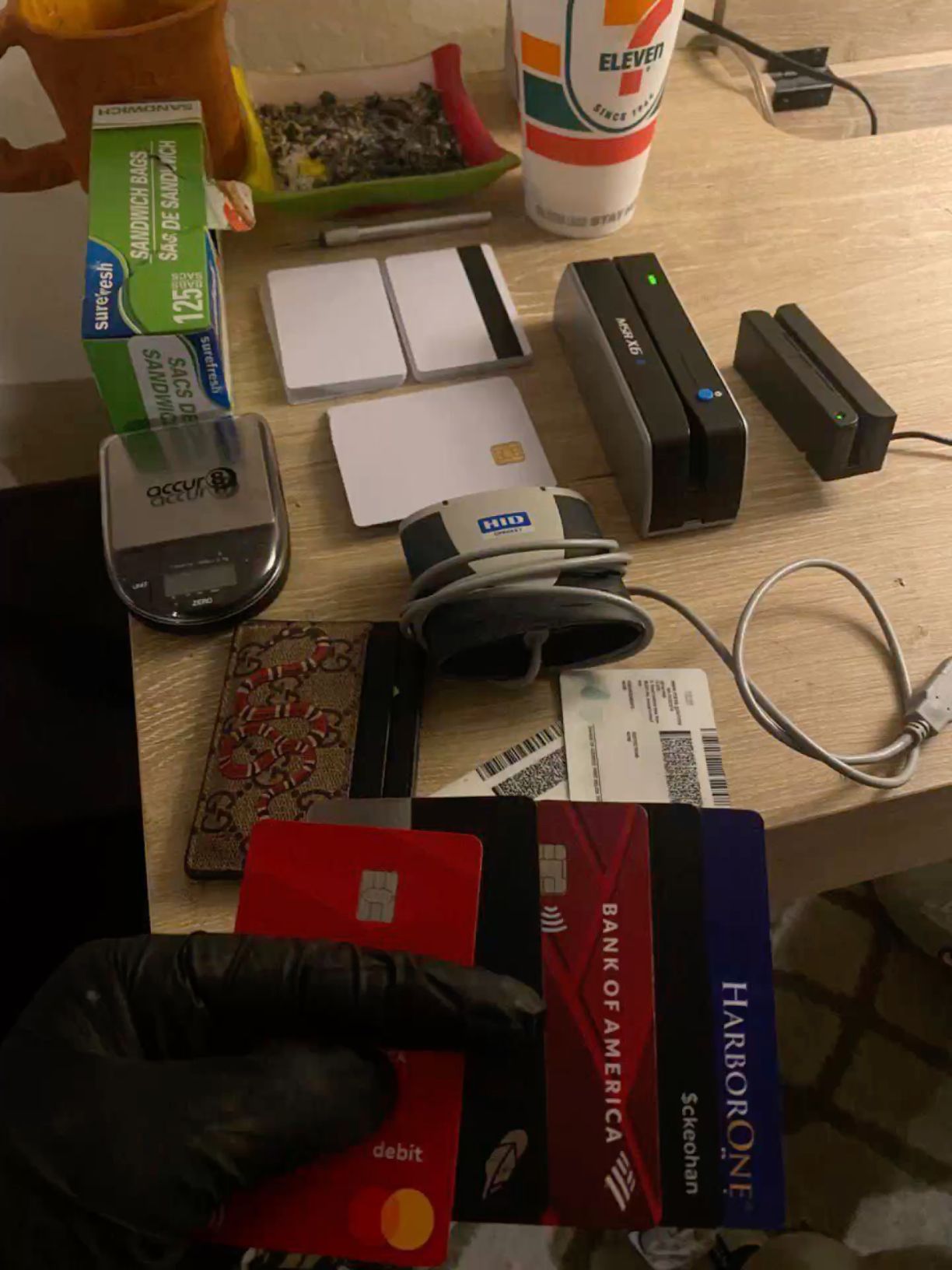
Financial losses can result from the unauthorized use of a cloned credit card, including fraudulent charges or the theft of funds from bank accounts.
Risks and Consequences:
- Stolen funds from bank accounts or credit cards
- Damage to the victim’s credit score and history
- Legal liabilities and penalties for crimes committed using the cloned card
Legal Consequences:
The use of a cloned credit card can result in various legal consequences, including fines, imprisonment, or civil lawsuits.
Risks and Consequences:
- Fines and penalties for the possession or use of counterfeit credit cards
- Legal liabilities and penalties for crimes committed using the cloned card
- Civil lawsuits from financial institutions or other parties affected by the fraud
FAQs: Types of Cloned Cards
What is a cloned credit card?
A cloned credit card is a duplicate of an existing card created through various methods, such as skimming or encoding devices. The card contains the same information as the original, allowing thieves to make unauthorized transactions and commit financial fraud.
How can I protect myself from having my credit card cloned?
To protect yourself from having your credit card cloned, you should take several precautions, such as monitoring your accounts regularly for suspicious activity, covering your PIN when entering it at an ATM or point-of-sale terminal, and using a credit card shield to protect your card information from skimming devices. Additionally, use strong passwords with two-factor authentication for all online accounts and install antivirus software on your devices to keep them up to date with the latest security patches.
What should I do if I suspect my credit card has been cloned?
If you suspect that your credit card has been cloned, you should contact your financial institution immediately and report any unauthorized transactions or charges. Additionally, consider monitoring your accounts for suspicious activity by signing up for fraud alerts and reviewing your statements regularly. In some cases, it may be necessary to close your account and obtain a new one with updated security measures.
Are there legal consequences for using a cloned credit card?
Yes, there are legal consequences for using a cloned credit card, as it is considered fraud and can lead to fines, imprisonment, or civil lawsuits. If you find yourself in possession of a cloned card or have used one to commit fraud, you should consult with an attorney to discuss your options and potential penalties.
How common are cloned credit cards?
While the exact number of cloned credit cards is difficult to determine, it is estimated that millions of cards are cloned annually worldwide. The prevalence of this form of fraud has increased significantly due to advances in technology and the ease with which encoding devices can be obtained online or through various underground marketplaces.
Conclusion On Types of Cloned Cards
In conclusion, cloned credit cards pose a significant risk for financial fraud and identity theft. To protect yourself from this form of fraud, it is essential to be vigilant about protecting your personal information both online and offline. Monitor your accounts regularly and report any suspicious activity immediately. Implement strong security measures, such as using two-factor authentication and antivirus software, to minimize the risk of falling victim to cloned credit card scams. Learn more about Card Cloning on sumsuber.