No products in the cart.
Blog
What are Cloned Cards
What Are Cloned Cards – Your Ultimate Guide to Protecting Yourself Against Duplicated Payment Tools
Introduction to What are Cloned Cards:
Cloned cards have emerged as a significant concern for both individuals and financial institutions. In this comprehensive guide, we delve into the intricacies of cloned cards, explaining their nature, types, and the steps you can take to safeguard your finances. By understanding what cloned cards are and how they work, you’ll be better equipped to protect yourself from falling victim to these scams.
Explore our more in depth to learn about everything you need to know about clone cards.
Understanding Cloned Cards

What is a cloned card?
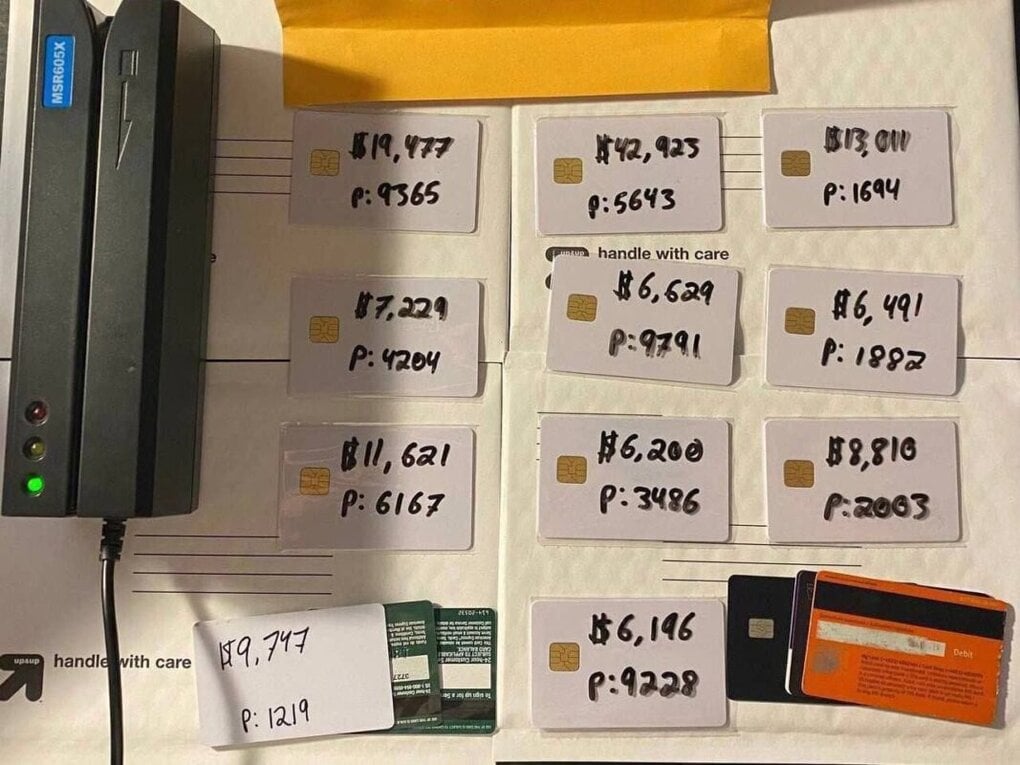
A cloned card refers to an unauthorized copy or duplicate of a legitimate payment instrument, such as a credit card or debit card. These replicas are generated through various methods like skimming, phishing, and social engineering, enabling criminals to access your personal information and carry out fraudulent transactions using your account.
The Importance of Clone Card Awareness
Understanding the fundamentals of cloned cards is essential for maintaining financial security. Being aware of how they are created and recognizing the signs that your card might be compromised can empower you to take proactive steps in preventing fraud and minimizing potential losses.
Types of Cloned Cards
Magnetic Stripe Clone Cards
Magnetic stripe clones are the most common type of cloned cards, featuring a magnetic strip with data that mirrors your original card’s information. These duplicates can be created using skimming devices placed on ATMs, gas pumps, or other public terminals to capture your card data.
EMV Chip Clone Cards
EMV chip clone cards are a more advanced version of cloned cards that use an embedded microchip with a unique code, making them harder to duplicate than magnetic stripe cards. However, these clones are not invulnerable to fraud; criminals can still create them by exploiting vulnerabilities in the card processing system or employing sophisticated techniques like hacking and social engineering.
Contactless Card Clones
Contactless card clones utilize near-field communication (NFC) technology, enabling quick, touchless transactions. These cards are easily replicated by criminals using specialized devices or software to copy the NFC information stored on your original contactless card.
Explore our more in depth guide to know more about the types of cloned cards that exist in todays world.
The Mechanisms of Cloning

Skimming
Skimming is a method used by thieves to steal your card data without your knowledge, employing small, portable devices called skimmers that can be attached to ATMs or other payment terminals. These devices capture your card information when you insert your card into the terminal.
Phishing Scams
Phishing scams involve criminals tricking you into divulging sensitive information such as your credit card number and expiration date by posing as a trustworthy entity like your bank or a merchant. These deceptive practices may take the form of fraudulent emails, text messages, or phone calls urging you to update your account details or provide personal information.
Social Engineering
Social engineering is the process of manipulating people into disclosing their sensitive information through deceit and psychological manipulation. This method can be employed in various ways, such as impersonating a bank representative or using social media to gather personal details about you. Shop loaded cloned cards at Buy Clone Cards
Recognizing Potential Threats
Unusual Transactions
If your account experiences unusual transactions that you did not authorize, it could be a sign that your card has been cloned. Regularly monitoring your account activity and reporting any suspicious activity immediately to your financial institution will help you detect fraudulent transactions early.
Withdrawals from ATMs You Don’t Recognize
Unplanned withdrawals or unauthorized transactions from ATMs you do not recognize could indicate that your card has been compromised. In such cases, it is essential to contact your bank and report the fraudulent activity immediately.
Unexplained Charges on Your Account
Unforeseen charges on your account statement can also signal cloned card fraud. Keeping track of your purchases and monitoring your statements for any unexpected or unrecognizable transactions will aid in identifying potential threats early.
Defending Against Clone Card Scams
Regular Account Monitoring
Regularly scrutinizing your account activity is essential to detecting fraudulent transactions promptly. Set up text alerts and email notifications for any transactions made on your card, so you can quickly identify suspicious behavior.
Strong Passwords and Two-Factor Authentication
Strengthen the security of your online accounts by using strong passwords and enabling two-factor authentication. This additional layer of protection makes it more difficult for criminals to gain access to your personal information.
Prudent Wi-Fi Usage
Public Wi-Fi networks are not secure, and using them for financial transactions can put your sensitive information at risk. Restrict online banking or making payments only when connected to a trusted network, such as your home or office internet connection.
Caution Against Phishing Scams
Stay vigilant and be cautious when receiving emails or phone calls asking for personal information. Always verify the authenticity of these communications by contacting the sender directly through a known email address or phone number.
FAQs: What are Cloned Cards
Can I get reimbursed if my card is cloned?
Yes, most financial institutions will cover any unauthorized transactions made on your account provided you report the fraud promptly and adhere to their guidelines for reporting fraud. However, some banks may impose a time limit for reporting fraudulent activity, so it's essential to keep track of your statements and notify your bank immediately if you suspect fraud.
What should I do if I find a clone card in my wallet?
If you discover a duplicate or cloned card in your possession, report the incident to your financial institution and request a new card. This will help ensure that any unauthorized transactions made on the cloned card cannot be processed, minimizing potential losses.
How common are cloned cards?
cards have become increasingly prevalent, with experts estimating hundreds of thousands of clones created each year. While financial institutions have robust security measures in place to detect and prevent fraudulent activities, it is crucial to stay vigilant and follow best practices for card security to minimize the risk of becoming a victim of these scams.
Conclusion On What are Cloned Cards

Key Takeaways
Understanding what cloned cards are and how they function is vital in securing your finances against fraudulent activities. Recognizing the signs that your card might be compromised and taking proactive steps to protect yourself will help you stay informed and minimize potential losses.
Staying Informed and Protected
In conclusion, staying vigilant and maintaining a high level of awareness about cloned card fraud is crucial in safeguarding your finances. By following best practices for card security, monitoring your account activity regularly, and being cautious when sharing personal information, you can significantly reduce the risk of becoming a victim of these scams. You can also read more about what cloned cards are on Unit21.ai